November 25, 2026
What Do Air Bubbles in Your Pool Mean for Your Plumbing?
By @waterlineweekly
If you notice air bubbles streaming from the return jets in your pool or spa, it is easy to assume the problem is harmless. But in many cases, those bubbles are one of the first signs of a suction-side plumbing leak. Understanding why that happens and what it means can save you time, money, and a lot of frustration.
How Air Gets into the System
Your pool's circulation system relies on the pump to pull water from the pool through the skimmer and main drain, push it through the filter and heater, and then return it through the return lines. The pump creates suction on the intake side, which is why it is called the suction side. Any gap, crack, or loose fitting on that side can let air enter the system. Because water is denser than air, the pump will pull in air through even a small opening before it pulls in water. That air gets churned into tiny bubbles that travel through the filter and eventually appear at the return jets.
This is not a problem with the filter or the pump itself, though a clogged skimmer basket or a dirty filter can sometimes cause similar symptoms. When you see a steady stream of bubbles that does not clear up after a few minutes, a suction-side leak is the most likely cause.
Common Locations for Suction-Side Leaks
Leaks can develop in several places on the suction side. The most common include:
- The pump lid O-ring: This rubber seal sits between the pump lid and the pump body. Over time it dries out, cracks, or gets misaligned, allowing air to be drawn in.
- The drain plug on the pump housing: If it is not fully tightened or its O-ring is worn, air can enter here.
- Pipe fittings and joints: Any threaded connection, glued joint, or union on the suction side can develop a leak, especially if the ground shifts or the pipe ages.
- The skimmer throat: The pipe that connects the skimmer to the pump can crack or separate at the fitting.
- The main drain line: Though less common, a crack in the main drain pipe can let air in.
Because these components are under suction rather than pressure, they do not drip water. That makes them hard to find without a proper inspection.
Why Air Bubbles Are a Warning Sign
Air in the system does more than just look odd. It reduces the pump's efficiency because the pump has to move both water and air, which takes more energy and moves less water. Over time, running a pump with air in the system can cause cavitation, a condition where tiny bubbles implode against the impeller, slowly eroding the metal. That can lead to pump failure and expensive repairs.
Air also affects the filter. When air enters the filter tank, it can cause the pressure to fluctuate, making the filter less effective at trapping debris. You may notice that the water does not sparkle as it used to, or that you need to backwash more often.
In a spa, air bubbles can be even more noticeable because the jets are closer to the surface. A suction-side leak in a spa can also allow air to enter the heater, potentially causing overheating or damage to the heating element.
How to Confirm a Suction-Side Leak
Before you call for help, there are a few simple checks you can do with the pump off. Look at the pump lid O-ring: remove it, clean the groove, and inspect the O-ring for cracks or flattening. If it looks worn, replace it. Check the drain plug and any other O-rings on the pump housing. Make sure the skimmer basket is not clogged and that the water level in the pool is high enough to cover the skimmer opening. If the water level is too low, the skimmer can suck air directly.
If those basic checks do not stop the bubbles, the leak is likely in the buried plumbing or at a fitting that is not easily visible. That is where professional leak detection becomes valuable.
The Role of Professional Leak Detection
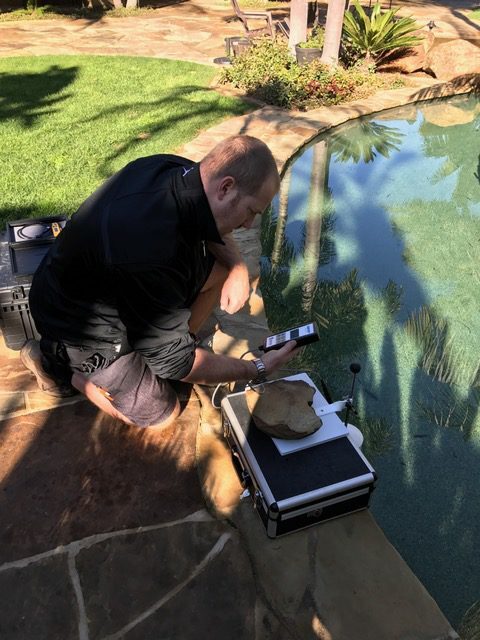
Finding a suction-side leak in buried pipe requires specialized equipment. Professionals use pressure testing, listening devices, and sometimes dye testing to pinpoint the exact location of the leak. They can pressurize the line with air or water and listen for the sound of escaping gas or liquid. This is far more accurate than digging up the yard at random.
For pool and spa owners, understanding the difference between a suction-side leak and a pressure-side leak is important. A pressure-side leak will usually show as a visible water leak, often near the pump or filter, or as a wet spot in the yard. A suction-side leak, by contrast, shows no water loss but lets air into the system. That is why the bubbles are such a key clue.

When you schedule leak testing for pools and spas, the technician will check the entire circulation system, including the pump, filter, heater, and all underground pipes. They will look for air leaks on the suction side and water leaks on the pressure side. A thorough inspection can identify problems that are not yet causing obvious symptoms, which is why regular leak testing is a good idea even if you do not see bubbles.
What Happens If You Ignore It
Leaving a suction-side leak untreated can lead to bigger problems. The pump may run dry if the leak gets large enough, which can destroy the pump motor and impeller. Air in the system can also cause the filter to become air-bound, meaning it stops filtering altogether. In extreme cases, a suction-side leak can allow the pump to lose prime, and you may find that the pump stops moving water entirely.
In a spa, air bubbles can also indicate that the spa's jet system is not working properly. If the leak is in the spa's dedicated plumbing, you may notice that the jets do not have the same force, or that the spa does not heat as quickly because the water flow is reduced.
Preventive Steps You Can Take
While you cannot prevent every leak, you can reduce the risk. Keep the pump lid O-ring clean and lubricated with a silicone-based lubricant. Check it each time you clean the pump basket. Make sure the drain plug is tight. Keep the water level in the pool high enough so the skimmer does not suck air. If you notice bubbles after a heavy rain or after the pool has been refilled, check the skimmer weir (the flap that keeps debris out) to make sure it is moving freely.
If you have a variable-speed pump, listen for changes in the sound of the pump. A suction-side leak often causes the pump to sound louder or rougher because it is pulling in air. If you hear a change, investigate it promptly.
For buried pipes, there is not much you can do beyond maintaining good water chemistry, which helps prevent corrosion of metal fittings and pipe joints. But the biggest step you can take is to pay attention to the signs. Air bubbles are not normal. They are your pool telling you something is wrong.

When to Call a Professional
If you have checked the pump lid, drain plug, and skimmer, and the bubbles persist, it is time to call a leak detection specialist. The same goes if you notice that the pump is losing prime, if the water level in the pool is dropping, or if the pump sounds different than it used to. A professional can perform leak testing for pools and spas and find the problem without digging up your entire yard.
In San Diego, where many pools and spas are built on hillsides or have complex plumbing runs, a suction-side leak can be especially tricky to locate. The ground can shift, pipes can crack, and fittings can loosen over time. A specialist with the right tools can save you from unnecessary excavation and get your system back to normal quickly.
Do not ignore those bubbles. They are one of the clearest signals your pool can give you that something is wrong on the suction side. Catching a leak early means a simpler repair and a longer life for your pump and filter.
❧